
1xBet Cricket & IPL Betting from India
Cricket is the reason most Indian punters open a sportsbook account at all, and 1xBet prices it in rupees across the IPL, international fixtures and domestic T20 leagues. This page explains how the cricket section is laid out, which markets you actually meet in a T20 innings, where pre-match and in-play behave differently, and what to check in the bet slip before you confirm. It is an independent part of our 1xBet India guide — not the operator's own site — so fixture lists, market availability and pricing are always whatever the live sportsbook shows, not what we describe here. 18+ only, restricted or prohibited in several Indian states, and gambling is not a source of income.

How the cricket section is laid out
Cricket sits in the sportsbook's A–Z sports list and in the top-sports row during a busy calendar. Inside it, fixtures are grouped by competition — internationals, the IPL and other franchise T20 events, plus domestic one-day and first-class cricket where the operator covers it. A date filter separates today's play from the week ahead, and a search box accepts partial team or tournament names, which is faster than scrolling in April and May when the schedule is dense.
Two tabs do most of the work. Line (pre-match) holds everything that has not started; Live holds matches in progress with prices that move ball by ball. Tapping a fixture opens its full market page rather than the two or three headline markets shown in the list view.
Which fixtures and markets appear is decided by the operator and its data feeds, so depth varies between a marquee IPL night and a second-tier domestic game. We do not claim any specific event will be available on a given day.
- Line tab: pre-match fixtures, deeper market counts, no time pressure
- Live tab: in-play prices with ball-by-ball movement and suspensions between deliveries
- Competition grouping for internationals, IPL and other T20 leagues
- Favourites or bookmark a fixture so it is one tap away at toss time
IPL and T20 markets you will actually use
T20 market menus look enormous until you notice they are variations on four ideas: who wins, how many runs, how the innings is structured, and what an individual player does. Start with the ones you can reason about from the toss and the pitch report rather than the longest list on the page.
Match winner is the base market. Totals move the discussion to runs — match or innings totals, over/under lines, and shorter versions covering a block of overs. Then come innings-shape markets: top batsman, leading run-scorer sides, method of dismissal or fall-of-wicket style markets where offered. Player props cover runs, boundaries and wickets for a named individual, which makes them the first markets to disappear if a team sheet is unconfirmed.
Multiples and accumulators are built by adding selections to the same bet slip. They lengthen the potential return and lengthen the list of things that must go right, which is why a two-leg multiple is a very different animal from a seven-leg one.
- Match result and tied-match options
- Match and innings totals, plus over/under run lines
- Top batsman, top bowler and other player markets, subject to confirmed line-ups
- Over-by-over and session-style markets in live play
- Single bets, multiples and system bets from the same slip
Pre-match vs live: two different jobs
Pre-match betting is for homework. The fixture page is open for hours, nothing is suspended, and you can compare market depth, read the venue history and decide a stake while nobody is bowling. If your approach involves any research at all, this is where it belongs.
Live betting is for reaction. Prices update as the over progresses, a wicket or a six can move a total line sharply, and the market is routinely suspended for a few seconds around each delivery or review — a selection can disappear or reprice between the moment you tap it and the moment you confirm. That is normal in-play behaviour on any sportsbook, not a fault.
Practical consequence: in live cricket, decide your maximum stake before the over starts. Chasing a price that has already moved is how a planned ₹200 bet becomes four unplanned ones. If you use live markets regularly, read the bet slip section below carefully, because acceptance rules matter far more in-play than pre-match.
- Pre-match: deeper menus, stable prices, time to think
- Live: fewer markets at any instant, faster movement, frequent suspensions
- Expect odds changes and re-confirmation prompts during in-play play
- Streaming and match trackers are navigation tools, not predictions
Reading odds and checking the bet slip
Odds display format is an account setting — decimal is the usual default for Indian accounts, with fractional and other formats available in preferences. Whatever you choose, the number on screen is the sportsbook's price at that second, and in live cricket it may not survive the next delivery.
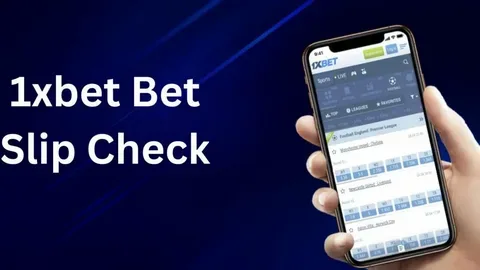
Before you confirm anything, run the same four checks every time: the event (right match, right competition — franchise and international sides share player names constantly), the market (match total is not innings total), the odds shown in the slip, and the stake in rupees with the potential return it implies. On a phone, a mistyped stake is the single most common unforced error.
The slip also carries the settings that decide what happens when a price moves: options to accept changed odds, and for multiples, the choice between a straight accumulator and a system bet. Set those deliberately rather than leaving them at whatever was last used. If a selection is rejected, it has usually been suspended — do not retry at speed, re-open the market and look at the new price first.
- Confirm event, market, odds and stake before every submission
- Set your odds-change preference once, in the slip settings
- Keep a single-bet stake you would be comfortable losing on a mistake
- Rejected selections normally mean a suspended market, not a technical bug
Betting cricket from a phone
IPL evenings are mobile events: the match is on one screen and the sportsbook is on the other. Both routes work — the native Android build installed from the operator's own site and the iOS option, both covered on our app page, or the mobile site in a browser tab.
The native client has one real advantage for live cricket: it keeps you signed in and reloads prices faster than a browser tab that has been asleep between overs, and it hands off cleanly to UPI apps when you top up. The browser route needs nothing installed and is fine for pre-match work.
Whatever you use, the housekeeping matters more than the interface. Keep the app updated, enable a screen lock before you store a balance, and prune push notifications so bonus reminders are not arriving mid-chase. On a metered daily data pack, a match tracker costs a fraction of what live video does.
- Android APK from the operator's own mobile page — never a forwarded file
- iOS build, or the mobile site saved to your home screen
- Live video availability depends on the operator's regional rights
- Match trackers are the data-light alternative to streaming
INR account and payment points specific to cricket season
Cricket betting makes two account details urgent. First, currency: INR has to be chosen on the registration form, because changing it later means a support request — the reasons are set out on our registration guide. Second, verification: upload your documents early, outside peak season, so a payout request during a tournament is processed rather than parked in a review queue.
On the cashier side, the rails are the usual Indian ones — UPI through PhonePe, Paytm or Google Pay, net banking, and crypto for some users — with withdrawals returning to the method you deposited from. The practical risk in a busy T20 window is a failed deposit mid-match: do not repeat the transfer, check whether the money left your bank, then raise one ticket with the UTR. The full sequence lives on the deposits and withdrawals page.
The cricket balance is the same wallet the casino uses, so a bonus taken in one place affects what you can withdraw from the other. Rollover, minimum odds and expiry terms are the operator's and change often — read them on the promotion page inside your account, and see how wagering weighting works in our casino section before you opt in to anything.
- Select INR at sign-up; it is not a cashier setting
- Deposit and withdraw in your own name — third-party UPI handles are refused
- Verify before the tournament, not during your first payout request
- One wallet covers sportsbook and casino, including any active bonus rollover

Betting responsibly through a long season
An IPL runs for weeks and offers a market almost every night, which is exactly why season-long discipline beats match-day enthusiasm. Decide a monthly amount you can lose without it mattering, set a deposit limit in the account's responsible gambling settings on day one, and treat session reminders as useful rather than annoying.
Two habits do most of the damage: increasing stakes to recover a losing night, and adding legs to a multiple because the return looks better. Neither changes the probability of anything. Cricket knowledge improves your reasoning about a market; it does not remove the sportsbook's margin.
On legality, be clear-eyed. 1xBet holds an offshore licence and no Indian authorisation, online wagering rules are set state by state, and several Indian states restrict or ban it outright. Check your own state's position before you deposit — that answer matters more than any market list. Support is available 24/7 via the operator site, per its own disclosure.
- Set a deposit cap and session reminders before the tournament starts
- Never raise stakes to chase a loss
- Self-exclusion and limit tools sit in account settings
- 18+ minimum per the operator, higher or prohibited in some states
FAQ
Does 1xBet cover IPL and domestic T20 cricket for Indian accounts?
The sportsbook covers cricket in depth, including the IPL, internationals and domestic T20 leagues, with prices in rupees. Which specific fixtures and markets are open on any given day is set by the operator and its data feeds, so check the live cricket section rather than relying on any published list.
Can I bet on cricket while the match is in progress?
Yes — the Live tab carries in-play cricket markets. Prices move ball by ball and markets are briefly suspended around deliveries and reviews, so a selection can reprice or disappear between tapping and confirming.
Which cricket markets are best for a beginner?
Match winner and simple over/under total lines are the easiest to reason about from the toss and pitch conditions. Player props depend on confirmed line-ups, and long multiples multiply the number of things that must go right.
Do I need the app to bet on cricket from India?
No. The mobile site works in any browser. The native Android or iOS client keeps you signed in and reloads live prices faster, which helps during an in-play over — both routes are explained on our app page.
Can I keep cricket betting balances in rupees?
Yes, provided INR was selected as the account currency during registration. Changing currency afterwards generally requires a support request, so set it on the sign-up form.
Is cricket betting on 1xBet legal in India?
1xBet is licensed offshore and holds no Indian authorisation. Online wagering rules are decided state by state and some states restrict or prohibit it, so confirm your state's position before you register or deposit.
Open the cricket sportsbook in rupees
Set INR at sign-up, verify early and check your state's rules before you deposit. 18+ only, T&Cs apply and gambling carries a risk of financial loss.
Open Sportsbook